Speech and Language Therapy
Personalized speech therapy sessions are conducted by a fully licensed Speech Language Pathologists registered with the College of Audiologists and Speech-Language Pathologists of Ontario (CASLPO)
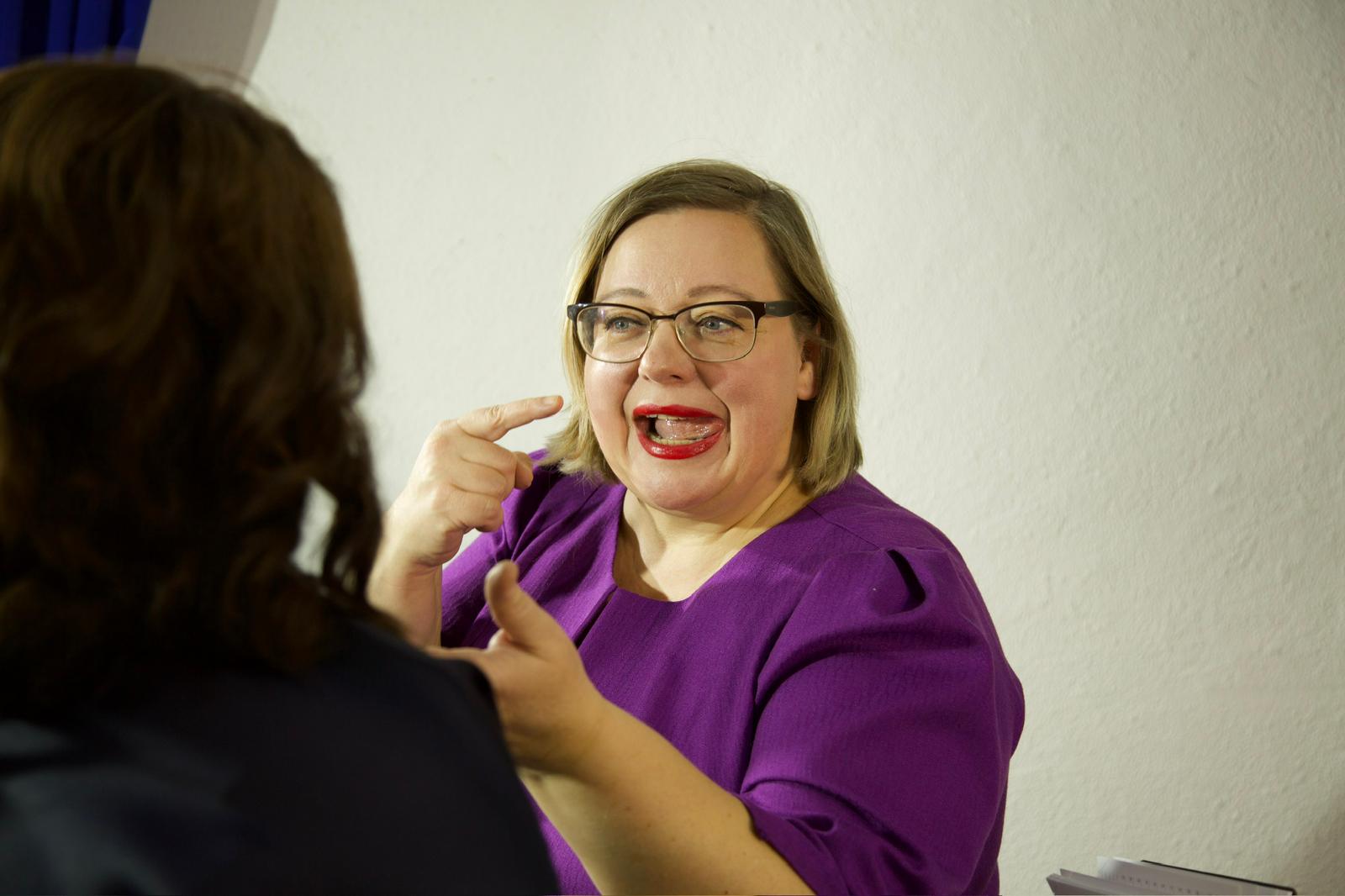
Elena Fours, SLP, Reg. CASLPO
SENIOR Speech-Language Pathologist
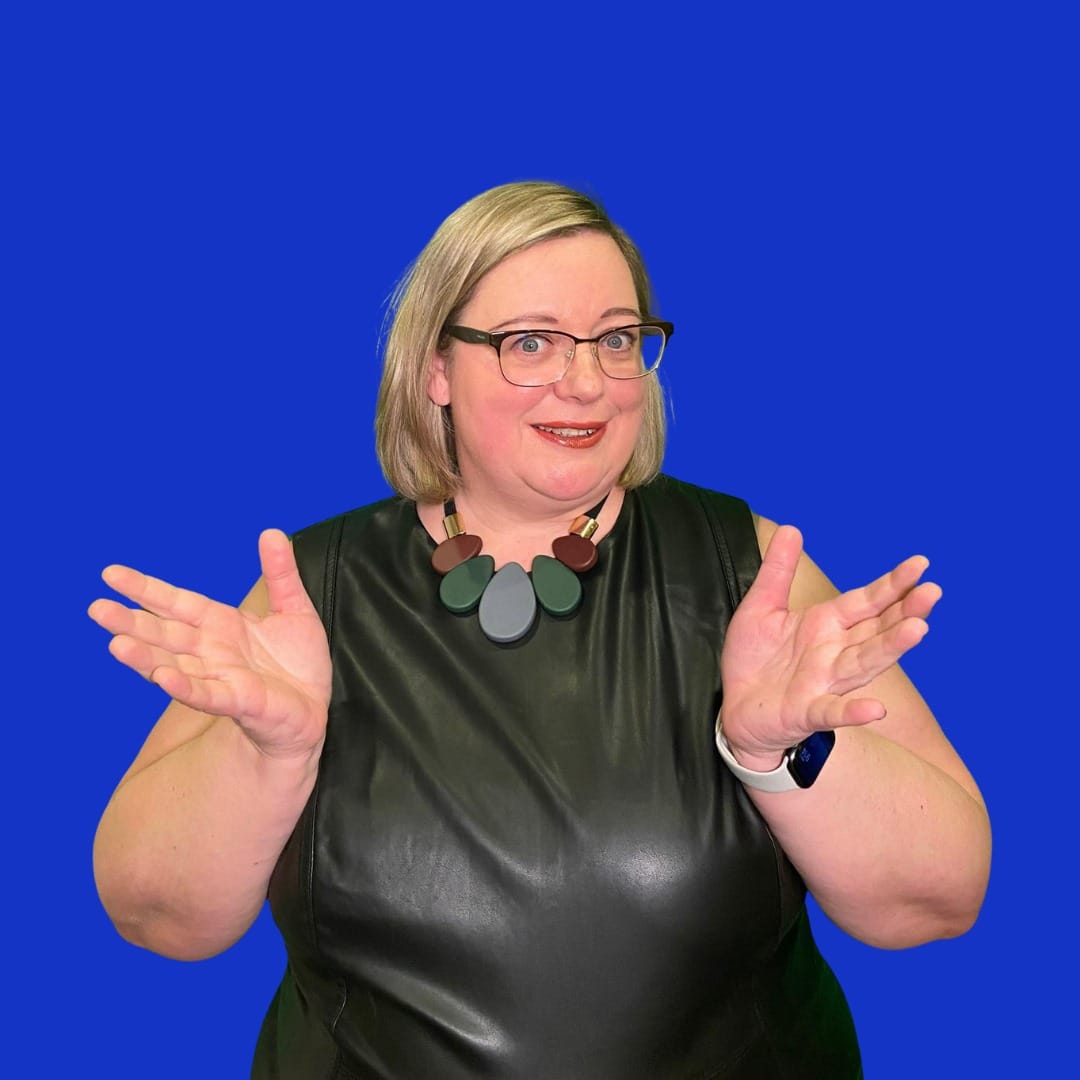
Elena is a passionate and enthusiastic speech-language pathologist.
Elena has extensive experience working with preschoolers, school-aged children, and adults in a variety of settings, including preschool, in-home, in hospital, rehabilitation centre, and children’s treatment centres.
She has experience evaluating and facilitating the development of a wide range of speech and language skills including speech sounds, receptive and expressive language, literacy, social communication, voice, fluency, cognitive communication, feeding/swallowing, and accent modification.
Elena is multilingual and is fluent in English, Russian, and Hebrew.
Elena has a passion for the pediatric population and is committed to evidence-based therapy that is fun, engaging and client-centered. She loves to find creative ways to engage both the child and their families in care that is tailored and individualized to their needs and interests.
Elena’s special focus is assessment of early communication in babies and toddlers. Her passion is to teach parents how to help their little ones with early language, play and social skills development.
Elena is passionate about continuing education; her additional training includes: Introduction to PROMPT, PROMPT Bridging, Hanen’s More Than Words, Talkability, Target Word, It Takes Two to Talk, Introduction to PECS, Lidcombe Program for Early Intervention of Stuttering, Kaufman Speech to Language Protocol, Language Acquisition through Motor Planning (LAMP), The Orofacial Rest Posture Program (ORPP) Screening and Preliminary Intervention for Pediatric SLPs, etc.
She is registered with the College of Audiologists and Speech-Language Pathologists of Ontario (CASLPO) and is a member of Speech-Language and Audiology Canada (SAC).
Our Speech-Language Pathologists offer Bilingual Speech-Language Therapy for:
- Accent Modification
- Articulation
- Phonology
- Apraxia of Speech
- Motor Speech
- Oral Facial Myofunctional Disorders
- Stuttering
- Pre-linguistic, Play skills, Communication
- Delayed Language/Late Talkers
- Language Disorders
- Receptive Language (understanding words, following directions, answering questions, etc)
- Expressive Language (talking, vocabulary use, Storytelling, sentence structure, grammatical markers, etc)
- Reasoning and Oral Formulation
- Presentation Skills
- Early Literacy (Phonics, blending/segmenting sounds, rhyming, etc)
- Literacy (reading fluency, reading comprehension, writing, spelling)
- Learning Disability Disorders
- Autism
- Social Skills Development
- Social Pragmatic Language
- AAC (Alternative Augmentative Communication)
- Developmental Disabilities
- Down Syndrome
- Central Auditory Processing Disorder
- Stroke
- Pediatric Feeding
- Voice Problems
Speech and Language Pathology Services fees are covered by most private health insurance plans.
The amount of coverage will depend on an individual’s plan. There is no direct billing. Payment is made by cash, cheque or e-transfer.
An official receipt will be given for the payment that can be submitted to the insurance company for reimbursement through an individual’s health plan coverage.
We also provide:
- SLPA supervision
- SLP Career Planing Consult
- SLP General Mentoring

The goal of speech-language therapy
The goal of speech-language therapy is to increase self-esteem and independence by improving the ability to communicate whether it is producing speech sounds more clear, speaking more fluently, or being able to understand and express one’s feelings and thoughts.
Individuals of all ages can benefit from speech language therapy. A toddler who has a language delay would benefit from speech-language therapy by learning new vocabulary just through language stimulating play.
A school-aged child who has difficulty producing speech sounds would benefit from speech-language therapy by learning appropriate placement of articulators (lips, tongue). A child with Autism would benefit from speech-language pathology by learning appropriate social skills and much more.
What happens during speech therapy?
Speech-Language Pathologist who will determine a patient’s functioning in a variety of areas of functional communication and/or swallowing or hearing, resulting in specific treatment recommendations.
Speech therapy for children
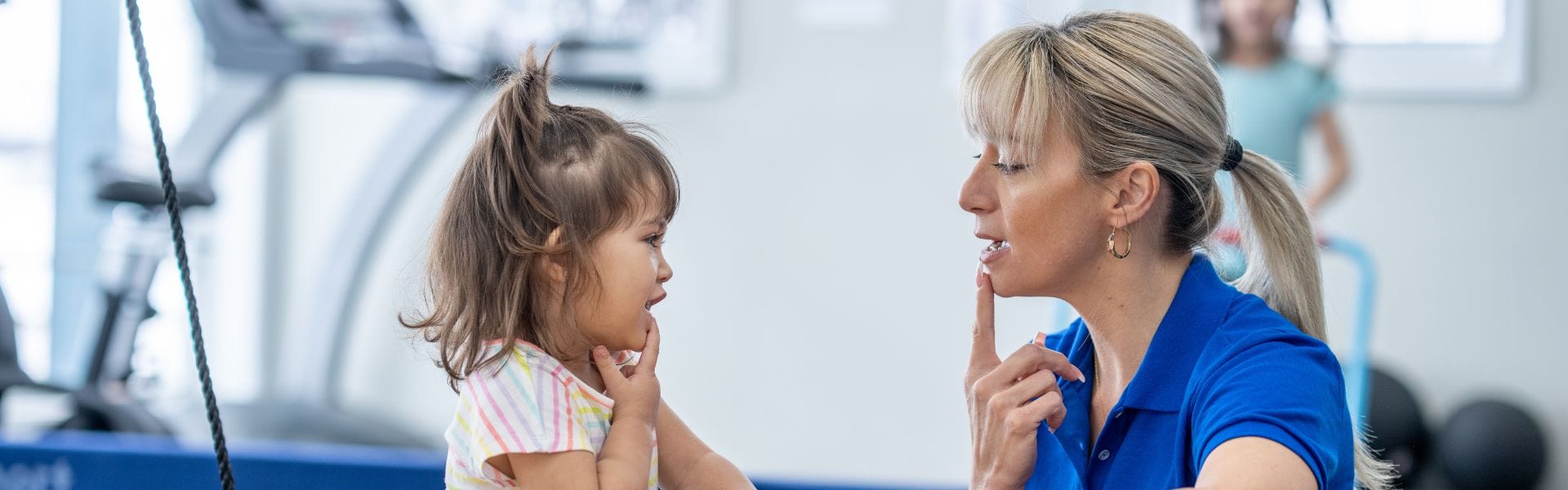
Speech therapy exercises and activities vary depending on your child’s disorder, age, and needs. During speech therapy for children, the SLP will:
– interact through talking and playing, and using books, pictures other objects as part of language intervention to help stimulate language development,
– model correct sounds and syllables for a child during age-appropriate play to teach the child how to make certain sounds,
– provide strategies and homework for the child and parent on how to do speech therapy at home
Speech therapy for adults
Speech therapy for adults also begins with assessment to determine your needs and the best treatment. Speech therapy exercises for adults can help you with speech, language, communication and English accent modification.
Teletherapy Services (Virtual Care)
Here at Thornhill Wellness Medical Clinic, we provide teletherapy services for speech-language pathology treatments. This allows you to access the therapeutic services you need from the comfort of your own home, without having to travel to and from the clinic.

Augmentative and Alternative Communication (AAC)
Speech-language pathologists assess the need for AAC systems to address communication gaps for individuals who are unable to rely on traditional communication mediums alone. These individuals may benefit from alternative methods of communication such as picture boards, communication devices, or sign language. They also support the design and implementation of AAC systems
Orofacial Myofunctional Therapy
Orofacial Myofunctional Therapy is used to re-educate the orofacial muscles and help correct functional disorders including: mouth breathing, improper chewing, atypical swallowing and poor tongue rest position.
OMDs are often unrecognized in children and can have an effect on breathing, swallow patterns, muscle tension and proper function of chewing foods. OMDs are a symptom of functional and structural changes that lead to abnormal growth and development of the facial structures.

GOOGLE REVIEWS