Osteopathy
Osteopathy is a holistic (whole body) approach to treating musculoskeletal disorders. It recognizes that the body is a complicated network of tissues, muscles, and bones. Everything in this network needs to work in harmony to function smoothly together. If something disrupts this sensitive balance, it can lead to a variety of problems.
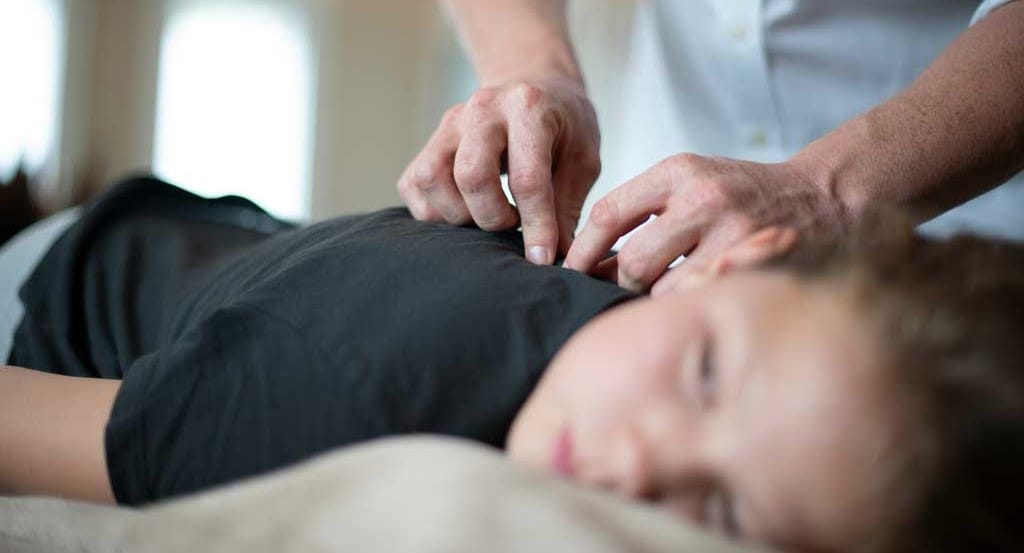
Osteopathy explores the underlying causes as well as the symptoms of pain. The osteopath uses physical manipulation, stretching, resistance, and massage and targeted physical exercises to increase the mobility of your joints, relieve muscle tension, boost circulation, and reduce pain.

Four basic principles of Osteopathy
There are four main principles that were established by the founder of Osteopathy, Andrew Taylor Still, at the end of the 19th Century. They form the basis of Osteopathic philosophy and thinking and influence the decisions made in diagnosing and treating patient’s symptoms:
1. The body is a unit.
The whole body is greater than the sum of its parts with each part affecting each and every other part of the body.
2. Structure and function are reciprocally interrelated.
The body is an integration of person’s structure (anatomy) and function (physiology). If the structure of the body is compromised, through overuse injuries or a chronic problem, the function will be adversely affected in terms of pain, stiffness, instability, etc and vice versa.
3. The body is its own medicine chest.
The body is usually able to resolve nearly all but the most serious of conditions by removing restrictive barriers and enabling their own healing mechanisms to be stimulated and supported.
4. The rule of the artery is supreme.
Healing requires a good blood supply to provide the necessary immune support and nutrients.
What can osteopathy treat?
With its focus on musculoskeletal disorders, osteopathy can help to address issues such as:
- Arthritis
- Joint pain
- Back pain
- Neck pain
- Sciatica
- Hand, shoulder, and elbow pain (often caused by repetitive movements)
- Headaches
- Tennis and golfer’s elbow
- Postural problems due to pregnancy
- Sports injury
- Digestive issues
- Driving or work-related strains and injuries
- Neuralgia (sharp nerve pains)
What are the benefits of osteopathy?
- A holistic approach
Rather than treating symptoms in isolation, osteopaths aim to address underlying imbalances and dysfunctions that may be contributing to any health issues. For example, a leg injury can affect how you walk, which can put strain on your spine, and then impact your neck, shoulders, and arms. - Patient-centered care
The osteopathy practitioner considers not only your physical symptoms but also your lifestyle, environment, emotional well-being, your goals for treatment and how your symptoms are impacting your life. It allows for personalized treatment plans tailored to your individual needs and helps to ensure that you receive the most effective and appropriate care. - Pain relief
By addressing underlying structural imbalances and restrictions, osteopathic treatment can help alleviate pain and improve mobility. It is often sought out for its effectiveness in relieving pain such as back pain, neck pain, and joint pain. - Improved function and mobility
In addition to pain relief, osteopathy aims to improve overall function and mobility. By restoring proper alignment and movement patterns within your body, osteopathic treatment can help to optimize joint function and enhance your ability to carry out daily activities and sports. - Preventive care
Osteopathy focusing on maintaining your optimal health and preventing future injuries or illnesses. It can help to identify and address potential issues before they develop into more serious problems. - Complementary to conventional medicine
Osteopathy can be used alongside conventional medical treatments to address a wide range of issues, such as back pain, arthritis, or sports injuries. - Stress reduction
Another benefit of osteopathic treatment is that it not only targets physical ailments but also aims to reduce stress and promote relaxation. By releasing tension in the muscles and promoting better circulation, it can reduce stress-related symptoms. - Improved posture
Osteopathy can help to address any postural imbalances and alignment issues. As well as improving your posture, this can reduce strain on your muscles and joints, alleviating pain and enhancing your overall ability to move freely. - Better circulation
Osteopathic techniques such as soft tissue manipulation and joint mobilization can improve blood flow and lymphatic drainage. This helps to ensure that your tissues and organs receive the oxygen and nutrients they need to function at full capacity. Improved circulation can also aid in the removal of metabolic waste and toxins from the body, which is great for your health. - Enhanced respiratory function
Osteopathic treatment may benefit respiratory function by addressing issues in the rib cage, spine, and diaphragm. By improving thoracic (chest) mobility and your lung capacity, osteopathy can help to enhance how efficiently you breathe. - Improved digestive health
Osteopathy can help to relieve ongoing digestive problems. The practice uses techniques aimed at addressing abdominal and pelvic imbalances. These techniques reduce tension in the abdominal muscles and promote better alignment of the spine. This offers direct relief from issues such as bloating, constipation, and Irritable Bowel Syndrome. - Enhanced neurological function
By improving the alignment of your spine and reducing pressure on specific nerves, osteopathy can help to alleviate symptoms associated with nerve compression, such as numbness, tingling, and radiating pain.